Ancient World
Iliad
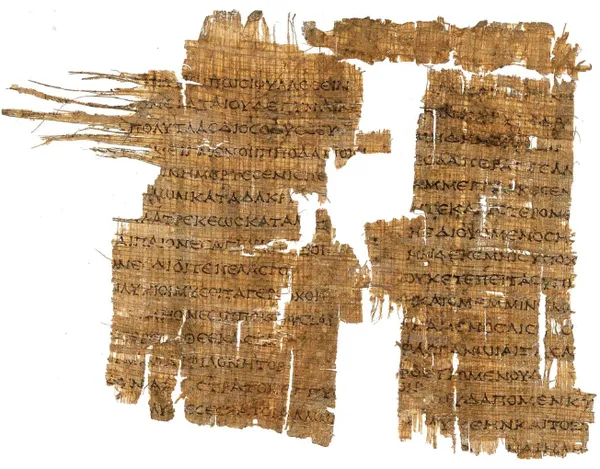
The Iliad ( ILL-ee-əd; Ancient Greek: Ἰλιάς, romanized: Iliás [iːliás]; lit. '[a poem] about Ilion (Troy)') is one of two major surviving ancient Greek epic poems attributed to Homer. It is one of the oldest extant works of literature still widely read by modern readers. Like the Odyssey, the poem is divided into 24 books and was written in dactylic hexameter. It contains 15,693 lines in its standard edition. The Iliad is often regarded as the first substantial piece of European literature and is central to the study of classical philology. Set towards the end of the Trojan War, a 10-year siege of the city of Troy by a coalition of Mycenaean Greek states, the poem depicts significant events in the war's final weeks. In particular, it traces the anger (μῆνις) of Achilles, a celebrated warrior, from a fierce quarrel between him and King Agamemnon, to the death of the Trojan prince Hector. The narrative moves between wide battleground scenes and more personal interactions. Contrary to popular belief, the Iliad does not depict the fall of Troy nor mention the Trojan Horse used by the Greeks to conquer the city, which are attributed to later sources. The Iliad and the Odyssey were likely composed in Homeric Greek, a literary mixture of Ionic Greek and other dialects, around the 8th century BC though some modern scholars have argued for a mid-7th-century BC date. The poem's composition, historicity, and authorship are extensively debated (the Homeric Question), with Homeric scholars likewise debating whether the Iliad and the Odyssey were composed independently, and whether they survived via an oral or also written tradition. The poem's formulae, use of similes, and epithets are often explored by scholars. The Iliad was widely esteemed by the ancient Greeks and formed part of their standard education; the poem's conflation of different regional dialects, and its depiction of various Greek factions uniting to fight Troy, gave it strong resonance across the Hellenistic world. It was performed by professional reciters known as rhapsodes at Greek festivals such as the Panathenaia. Critical themes in the Iliad include kleos (glory), pride, fate, and wrath. Despite being predominantly known for its tragic and serious themes, the poem also contains instances of comedy and humor.
Also on this shelf
Ancient history of Afghanistan.
Dung Gate.
See also
Uncatalogued shelfText from Wikipedia; plate via Wikimedia Commons. Text CC BY-SA 4.0; plate freely licensed (see Commons). Source record. Images and catalogue data are reproduced from open-access collections.