Ancient World
Dolní Věstonice (archaeological site)
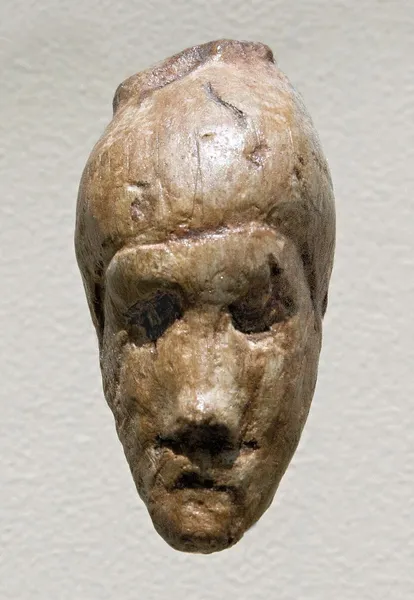
Dolní Věstonice (often without diacritics as Dolni Vestonice) is an Upper Paleolithic archaeological site near the village of Dolní Věstonice in the South Moravian Region of the Czech Republic, at the base of Mount Děvín, 550 metres (1,800 ft). It dates to approximately 26,000 BP, as supported by radiocarbon dating. The site is unique in that it has been a particularly abundant source of prehistoric artifacts (especially art) dating from the Gravettian period, which spanned roughly from 27,000 to 20,000 BC. In addition to the abundance of art, this site also includes carved representations of men, women, and animals, along with personal ornaments, human burials and enigmatic engravings. Excavations of the site began in 1924 and yielded thousands of ceramic artifacts. Many of these artifacts depicted animals, such as lions, rhinoceroses, and mammoths, molded in the clay. These figurines have been interpreted to have been of some ceremonial significance to the ancient occupants of the site. Two figurines depicting women were found—among them the Venus of Dolní Věstonice—along with a woman's skeleton.
Also on this shelf
Ancient Greece and wine.
Azal (Bible).
See also
Uncatalogued shelfText from Wikipedia; plate via Wikimedia Commons. Text CC BY-SA 4.0; plate freely licensed (see Commons). Source record. Images and catalogue data are reproduced from open-access collections.