Ancient World
History of Pescara
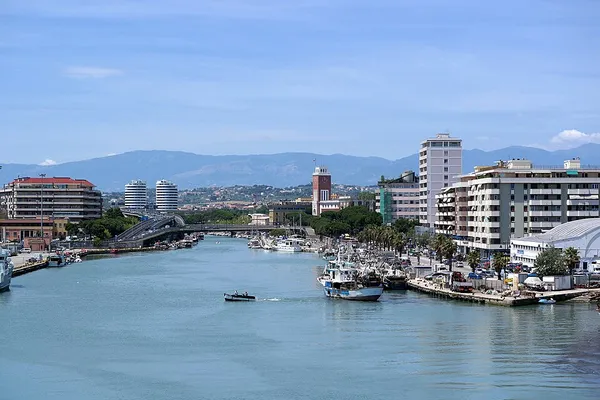
The history of Pescara begins in the Italic period due to its geographically advantageous position as a hub for communication routes between ancient Rome and the Middle Adriatic area, which shaped the development of the settlement from its earliest days. A maritime village existed along the mouth of the Pescara River as early as the 1st century BC, known as Aternum or Ostia Aterni. In the centuries that followed, Pescara’s strategic location, serving as the gateway to the great valley that divides Abruzzo, consistently influenced its economic and social development. Initially, it functioned primarily as a military stronghold for the defense of southern kingdoms, but from the second half of the 19th century, it became known for its thriving commercial activity and seaside tourism. Following the bombardments of 1943, which destroyed much of the urban center, the city rapidly rebuilt as a modern regional hub. Benefiting from its strategic position bridging northern and southern Italy, Pescara experienced significant economic, industrial, and touristic growth, forming a large metropolitan area. Within a few years, it became the central hub of the Abruzzo region and the middle Adriatic area.
Also on this shelf
Gilt Bronzes from Cartoceto di Pergola.
Joukowsky Institute for Archaeology and the Ancient World.
See also
Uncatalogued shelfText from Wikipedia; plate via Wikimedia Commons. Text CC BY-SA 4.0; plate freely licensed (see Commons). Source record. Images and catalogue data are reproduced from open-access collections.