Ancient World
Archaeological forgery
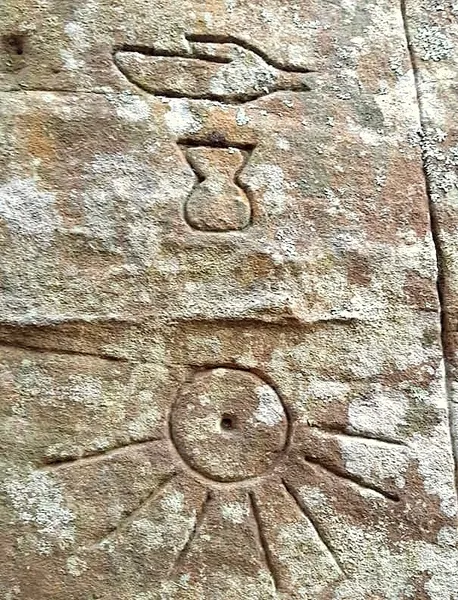
Archaeological forgery is the manufacture of supposedly ancient items that are sold to the antiquities market and may even end up in the collections of museums. It is related to art forgery, and can overlap for certain periods. A string of archaeological forgeries have usually followed news of prominent archaeological excavations. Historically, famous excavations like those in Crete, the Valley of the Kings in Egypt and Pompeii have caused the appearance of a number of forgeries supposedly spirited away from the dig. Those have been usually presented in the open market but some have also ended up in museum collections and as objects of serious historical study. In recent times, forgeries of pre-Columbian pottery from South America have been very common. Other popular examples include Ancient Egyptian earthenware and supposed ancient Greek cheese. There have also been paleontological forgeries like the archaeoraptor or the Piltdown Man skull.
Also on this shelf
Carthage tophet.
Gower Peninsula.
See also
Uncatalogued shelfText from Wikipedia; plate via Wikimedia Commons. Text CC BY-SA 4.0; plate freely licensed (see Commons). Source record. Images and catalogue data are reproduced from open-access collections.