Ancient World
Brand
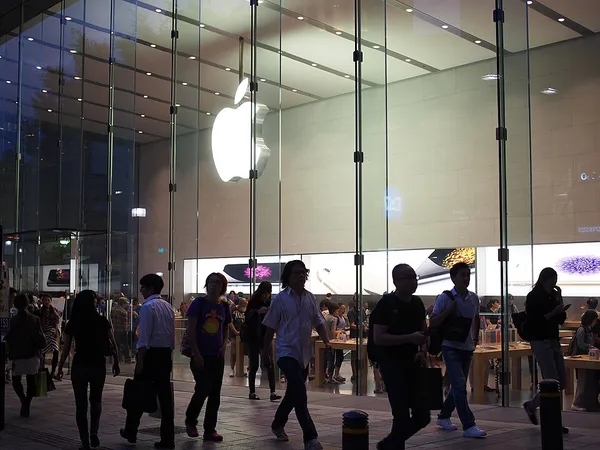
A brand is a name, term, design, symbol or any other feature that distinguishes one seller's goods or service from those of other sellers. Brands are studied in business, marketing, and advertising and used for recognition and, importantly, to create and store value as brand equity for the object identified, to the benefit of the brand's customers, its owners and shareholders. Brand names are sometimes distinguished from generic or store brands. The practice of branding—in the original literal sense of marking by burning—is thought to have begun with the ancient Egyptians, who are known to have engaged in livestock branding and branded slaves as early as 2,700 BCE. Branding was used to differentiate one person's cattle from another's by means of a distinctive symbol burned into the animal's skin with a hot branding iron. The etymology of the word “brand” originates from the Old Norse word "brandr" from the 10th Century, which means “to burn". The term "brand" has been extended to mean a strategic personality for a product or company, so that "brand" now suggests the values and promises that a consumer may perceive and buy into. Over time, the practice of branding objects extended to a broader range of packaging and goods offered for sale including oil, wine, cosmetics, and fish sauce and, in the 21st century, extends even further into services (such as legal, financial and medical), political parties and people's stage names. In recent years, branding has also emerged in the public sector, however, researchers in the field cautions against adopting a branding logic from the private sector. Instead, public organisations need to carefully adapt branding concepts and models to suit a public context. Not doing so risks undermining the brand. In the modern era, the concept of branding has expanded to include deployment by a manager of the marketing and communication techniques and tools that help to distinguish a company or products from competitors, aiming to create a lasting impression in the minds of customers. The key components that form a brand's toolbox include a brand's identity, personality, product design, brand communication (such as by logos and trademarks), brand attachment, brand awareness, brand loyalty, and various branding (brand management) strategies.
Also on this shelf
Baekje Historic Areas.
Golan Heights.
See also
Uncatalogued shelfText from Wikipedia; plate via Wikimedia Commons. Text CC BY-SA 4.0; plate freely licensed (see Commons). Source record. Images and catalogue data are reproduced from open-access collections.