African Art
History of Nigeria
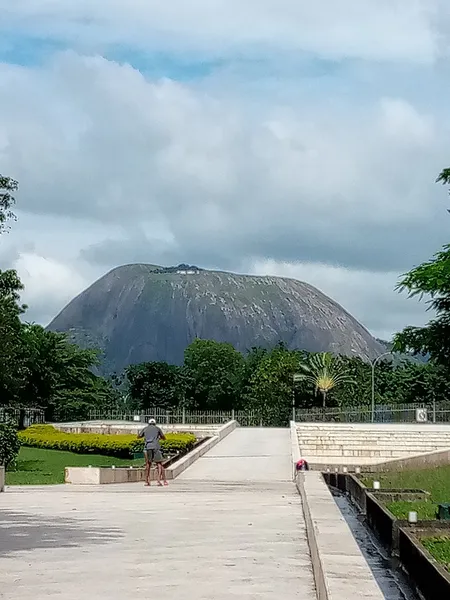
The history of Nigeria can be traced to the earliest inhabitants from at least 9000 BC through to early civilizations such as the Nok culture which began around 1500 BC. Numerous ancient African civilizations settled in the region that is known today as Nigeria, such as the Ife Empire, Kingdom of Nri, the Benin Kingdom, and the Oyo Empire. Islam reached Nigeria through the Bornu Empire between (1068 AD) and Hausa Kingdom during the 11th century, while Christianity came to Nigeria in the 15th century through Augustinian and Capuchin monks from Portugal to the Kingdom of Warri. The Songhai Empire also occupied part of the region. Through contact with Europeans, early harbour towns such as Calabar, Badagry, and Bonny emerged along the coast after 1480, which did business in the transatlantic slave trade, among other things. After 1804, Usman dan Fodio unified an immense territory in his jihad against the superior but quarrelling Hausa states of the north, which was stabilised by his successors as the "Caliphate of Sokoto". In its initial endeavour to stop the slave trade in West Africa, the United Kingdom gradually expanded its sphere of influence after 1851, starting from the tiny island of Lagos (3 km2) and the port city of Calabar. The British followed expansive trading companies such as the RNC and missionaries such as Mary Slessor, who advanced into the hinterland, preached and founded missionary schools, but also took action against local customs such as the religiously induced killing of twins or servants of deceased village elders and against the Trial by ordeal as a means of establishing the legal truth. At the Berlin Congo Conference in 1885, the European powers demarcated their spheres of interest in Africa without regard to ethnic or linguistic boundaries and without giving those affected a say. Thereafter, the British made increasing advances in the Niger region, which they had negotiated in Berlin, and ultimately defeated the Sokoto Caliphate.
Also on this shelf
1935.
History of women in Puerto Rico.
See also
Uncatalogued shelfText from Wikipedia; plate via Wikimedia Commons. Text CC BY-SA 4.0; plate freely licensed (see Commons). Source record. Images and catalogue data are reproduced from open-access collections.