African Art
Demographics of Canada
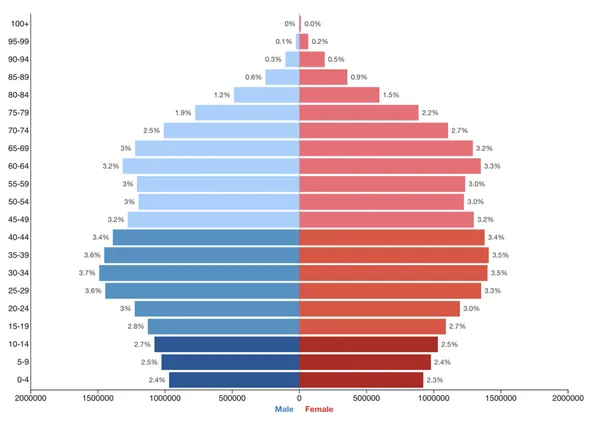
Statistics Canada conducts a country-wide census that collects demographic data every five years in the first and sixth year of each decade. The 2021 Canadian census enumerated a total population of 36,991,981, an increase of around 5.2 percent over the 2016 figure. It is estimated that Canada's population surpassed 40 million in 2023 and 41 million in 2024. The main driver of population growth is immigration, with 6.2% of the country's population being made up of temporary residents as of 2023, or about 2.5 million people. In 2025, Canada's population officially stood at 41.5 million, an estimated decrease of 76,068. 2024 saw the lowest recorded total fertility rate in the country's history, at around 1.25; this rate is among the lowest in the world. Canada has one of the highest per-capita immigration rates in the world, driven mainly by economic policy and, to a lesser extent, family reunification. In 2024–2025, a total of 435,421 immigrants were admitted to Canada. New immigrants to Canada settle mostly in major urban areas such as Toronto, Montreal, and Vancouver. Canada also accepts large numbers of refugees, accounting for over 10 percent of annual global refugee resettlements.
Also on this shelf
Barack Obama.
1214.
See also
Uncatalogued shelfText from Wikipedia; plate via Wikimedia Commons. Text CC BY-SA 4.0; plate freely licensed (see Commons). Source record. Images and catalogue data are reproduced from open-access collections.