African Art
Culture of Nigeria
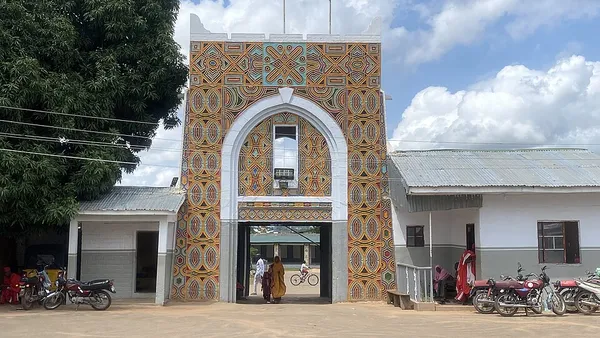
The culture of Nigeria is shaped by Nigeria's multiple ethnic groups. The country has 527 languages, with many at risk of extinction. Nigeria has over 1,150 dialects and ethnic groups. The three largest ethnic groups are the Hausa that are predominantly in the north, the Yoruba who predominate in the southwest, and the Igbo in the southeast. There are many other ethnic groups with sizeable populations across the different parts of the country. The Kanuri are located in the northeast part of Nigeria, the Tiv are in the north central, and the Efik-Ibibio are in the south. The Bini are predominantly in the region between Yorubaland and Igboland. Nigeria's other ethnic groups, sometimes called 'minorities', are found throughout the country but especially in the north and the middle belt. The traditionally nomadic Fula can be found all over West and Central Africa. The Fula and the Hausa are almost entirely Muslim, while the Igbo are almost completely Christian and so are the Bini and the Ibibio. The Yoruba make up about 21% of the country's population and are predominantly Christians and Muslims on equal footing, with a notable presence of traditionalists. Indigenous religious practices remain important to all of Nigeria's ethnic groups however, and frequently these beliefs are blended with Christian or Muslim beliefs, a practice known as syncretism.
Also on this shelf
1826.
Cameroon.
See also
Uncatalogued shelfText from Wikipedia; plate via Wikimedia Commons. Text CC BY-SA 4.0; plate freely licensed (see Commons). Source record. Images and catalogue data are reproduced from open-access collections.