African Art
Cyprus
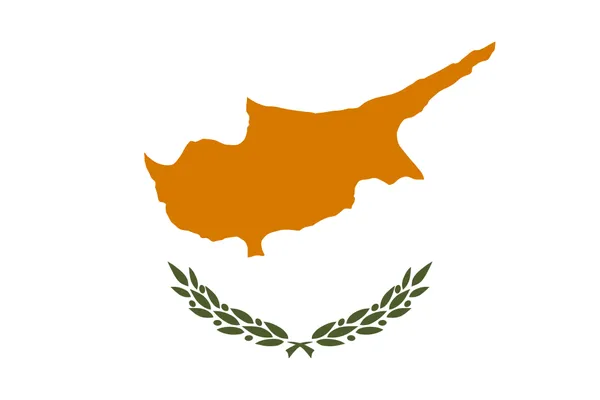
Cyprus, officially the Republic of Cyprus, is an island country in the eastern Mediterranean Sea, located off the coast of the Levant mainland in West Asia. The island of Cyprus, which is the third largest and third most populous island in the Mediterranean, is divided along the United Nations Buffer Zone between the internationally recognised Republic of Cyprus and the Turkish Republic of Northern Cyprus, which is recognised only by Turkey. The south of the island also hosts the British sovereign military bases of Akrotiri and Dhekelia. The capital and largest city of Cyprus is Nicosia. Cyprus was first settled by hunter-gatherers around 13,000 years ago, with farming communities emerging by 8500 BC. The late Bronze Age saw the emergence of Alashiya, an urbanised society closely connected to the wider Mediterranean world. Cyprus experienced waves of settlement by Mycenaean Greeks at the end of the 2nd millennium BC. Owing to its rich natural resources (particularly copper) and strategic position at the crossroads of Europe, Africa, and Asia, the island was subsequently contested and occupied by several empires, including the Assyrians, Egyptians, and Persians, from whom it was seized in 333 BC by Alexander the Great. Successive rule by the Ptolemaic Empire, the Classical and Eastern Roman Empire, Arab caliphates, the French Lusignans, and the Venetians was followed by over three centuries of Ottoman dominion (1571–1878). Cyprus was placed under British administration in 1878 pursuant to the Cyprus Convention and formally annexed by the United Kingdom in 1914. The island's future became contested by its Greek and Turkish communities. Greek Cypriots sought enosis, or union with Greece, which became a Greek national policy in the 1950s. Turkish Cypriots initially advocated for continued British rule, then demanded the annexation of the island to Turkey, with which they established the policy of taksim: partitioning Cyprus and creating a Turkish polity in the north. Following nationalist violence in the 1950s, Cyprus was granted independence in 1960. The crisis of 1963–64 brought further intercommunal violence between the two communities, displaced more than 25,000 Turkish Cypriots into enclaves, and ended Turkish Cypriot political representation. On 15 July 1974, a coup d'état was staged by Greek Cypriot nationalists and elements of the Greek military junta.
Also on this shelf
1699.
1802.
See also
Uncatalogued shelfText from Wikipedia; plate via Wikimedia Commons. Text CC BY-SA 4.0; plate freely licensed (see Commons). Source record. Images and catalogue data are reproduced from open-access collections.