African Art
Apostles in the New Testament
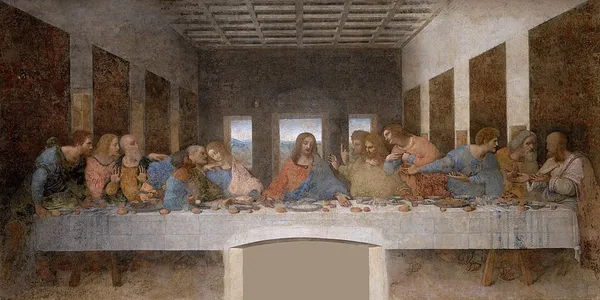
In Christian theology and ecclesiology, the apostles, particularly the Twelve Apostles (also known as the Twelve Disciples or simply the Twelve), were the primary disciples of Jesus according to the New Testament. During the life and ministry of Jesus in the 1st century AD, the apostles were his closest followers and became the primary teachers of the gospel message of Jesus. There is also an Eastern Christian tradition derived from the Gospel of Luke that there were seventy apostles during the time of Jesus' ministry. The word comes from the Koine Greek apóstolos, meaning a messenger or envoy, with a sense closer to delegate than to messenger. The gospels and Acts give four lists of the Twelve which differ slightly in the names, and the Gospel of John refers to the Twelve without ever listing them. The commissioning of the Twelve Apostles during the ministry of Jesus is described in the Synoptic Gospels. After his resurrection, Jesus sent eleven of them (as Judas Iscariot by then had died) in the Great Commission to spread his teachings to all nations. Peter, James and John form an inner circle within the group, alone present at the raising of Jairus' daughter, the Transfiguration and the agony in Gethsemane. After Judas Iscariot betrayed Jesus and died, the remaining eleven chose Matthias by lot to restore the number to twelve. Apart from the original twelve, there were other people who were considered apostles. In the Pauline epistles, Paul, although not one of the original twelve, described himself as an apostle, saying he was called by the resurrected Jesus himself during his road to Damascus event. He later describes himself as "an apostle to the Gentiles". Paul also describes Andronicus and the woman Junia as "outstanding among the apostles." The period and associated events in the timeline of early Christianity during the lifetimes of the twelve apostles is called the Apostolic Age. Barnabas and James the brother of Jesus are also called apostles in the New Testament, and Paul uses the word well beyond the original twelve. Christian tradition holds that all the Twelve except John were martyred, though only the death of James son of Zebedee is recorded in the New Testament. Scholars differ over how much of the martyrdom tradition is historical, some treating most accounts as late legend.
Also on this shelf
302.
1621.
See also
Uncatalogued shelfText from Wikipedia; plate via Wikimedia Commons. Text CC BY-SA 4.0; plate freely licensed (see Commons). Source record. Images and catalogue data are reproduced from open-access collections.