African Art
History of Suresnes
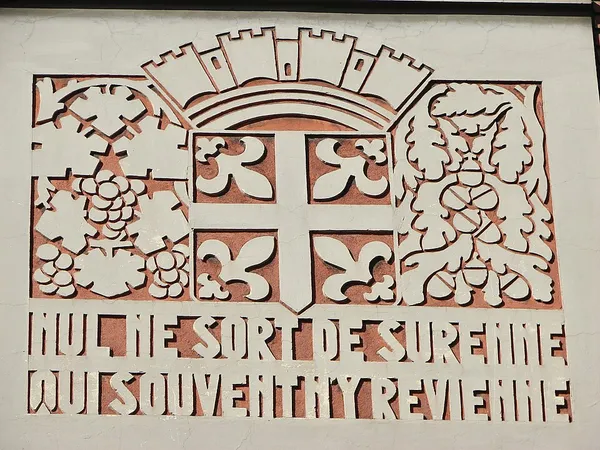
The history of Suresnes (Hauts-de-Seine), a commune in the western suburbs of Paris, is closely linked to its unique geographical position between the Seine and Mont Valérien, one of the highest points in the Paris conurbation. Its economic activities have historically developed in line with this environment, from fishing on the river to vine-growing on the hillsides, the automotive and aeronautics industries along the Seine, and, since the creation of the La Défense business center in the neighboring towns of Courbevoie and Puteaux, the headquarters of major corporations. A simple Carolingian villa first mentioned in the 9th century, Suresnes remained a small outlying village until the 19th century. Not connected to the main roads leading to the capital, it was almost self-sufficient, even though it suffered several periods of destruction during the Middle Ages and Modern Era. However, as the hillsides became covered with vineyards, the town's reputation grew, and writers celebrated the wine of Suresnes. Establishing a religious pilgrimage to Mont Valérien in the 16th century also contributed to the development of the town's economy, as devotees had to walk the village paths to the Calvary, and cabarets were set up in Suresnes to entertain them. In the 17th and 18th centuries, numerous bourgeois and aristocratic residences with vast gardens grew up around the historic center, where wealthy Parisians came to relax. In 1593, one of them even made his property available to host negotiation conferences between Catholics and Protestants, which helped end the Wars of Religion. From the mid-19th century onwards, the face of Suresnes changed radically, with the arrival of the train, tramway, and navigation services on the Seine: the town was now within easy reach of Parisians, who flocked to the guinguettes lining its quays, often after attending the races at the nearby Longchamp racecourse. The development of industry from the 1890s onwards led to the establishment of numerous factories, gradually eradicating the Ancien Régime's properties: Suresnes was now an industrial town with a rapidly growing working-class population.
Also on this shelf
1643.
Amenhotep III.
See also
Uncatalogued shelfText from Wikipedia; plate via Wikimedia Commons. Text CC BY-SA 4.0; plate freely licensed (see Commons). Source record. Images and catalogue data are reproduced from open-access collections.