African Art
Art forgery
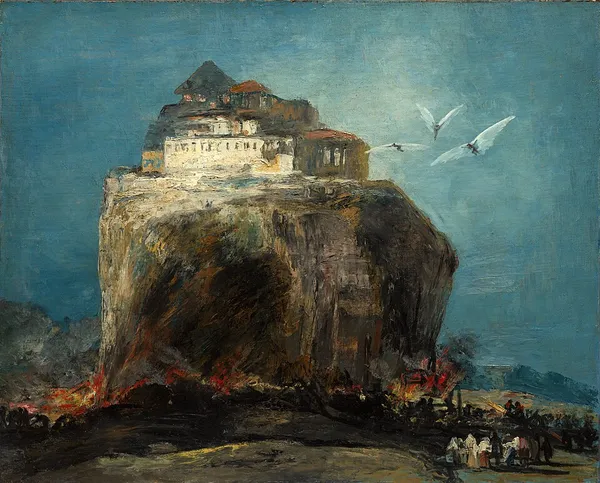
Art forgery is the creation and sale of works of art which are intentionally falsely credited to other, usually more famous artists. Art forgery can be extremely lucrative, but modern dating and analysis techniques have made the identification of forged artwork much simpler. This type of fraud is meant to mislead by creating a false provenance, or origin, of the object to enhance its value or prestige at the expense of the buyer. As a legal offense, it is not just the act of imitating a famous artist's key characteristics in a piece of art, but the deliberate financial intent by the forger. When caught, some of these forgers attempt to pass off the fakes as jokes or hoaxes on the art experts and dealers they were selling to, or on the art world as a whole. Art forgers must pass themselves off as trustworthy and charismatic to recruit the necessary middlemen such as art dealers, sellers, experts, etc. as the forger will rarely deal in person. Forgers are often proficient in the current methods of art forgery authentication to reverse-engineer their work to cover up any potential mistakes that could get them caught. Since the 1950s and 1960s there has been a growing demand for indigenous art. Many people began creating and selling faked busts, ceremonial masks, carvings, and sculptures to prestigious institutions such as the British Museum. Some artists even went as far as to create artifacts from cultures of which very little information is known, like Moabite, a Semitic culture that was alluded to in the Old Testament.
Also on this shelf
1714.
1832.
See also
Uncatalogued shelfText from Wikipedia; plate via Wikimedia Commons. Text CC BY-SA 4.0; plate freely licensed (see Commons). Source record. Images and catalogue data are reproduced from open-access collections.