African Art
Culture of Italy
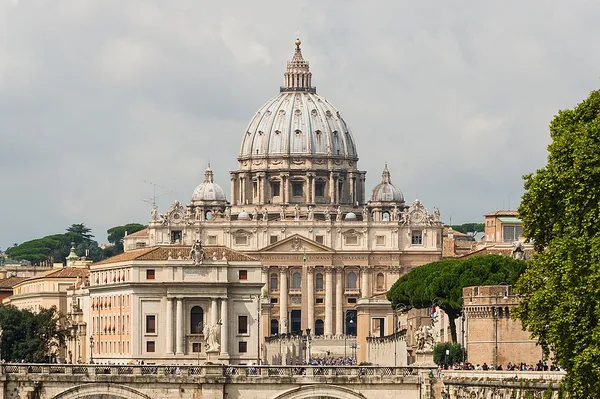
The culture of Italy encompasses the knowledge, beliefs, arts, laws, customs, and social practices associated with the Italian Peninsula and, later, the modern Italian state. Italy has had a significant influence on the development of Western culture and civilisation. The Italian Peninsula was the center of Roman civilisation, which contributed to the spread of Roman law, the Latin alphabet, the Latin language, and institutions that influenced later European societies. Italy was also an important center of the Roman Catholic Church, the Renaissance, the Baroque, Neoclassicism, Futurism, and Fascism. Italian scholars, artists, merchants, explorers, and political movements also contributed to wider European developments such as the Romanesque, Scholasticism, the Age of Discovery, the Scientific Revolution, and European integration. Several institutions in Italy are among the earliest of their kind in Europe, including the Ospedale di Santo Spirito in Sassia, the University of Bologna, the Capitoline Museums, early modern banking institutions, and the Teatro San Cassiano. Italian culture has been influential in art, architecture, music, cinema, fashion, literature, theatre, science, and cuisine. Italy was central to the development of opera and has played an important role in classical music, with composers such as Antonio Vivaldi, Gioachino Rossini, and Giuseppe Verdi. Italian cultural history also includes contributions to ballet, folk dance, commedia dell'arte, and cinema.
Also on this shelf
1723.
1608.
See also
Uncatalogued shelfText from Wikipedia; plate via Wikimedia Commons. Text CC BY-SA 4.0; plate freely licensed (see Commons). Source record. Images and catalogue data are reproduced from open-access collections.